
The Puzzle You Solve Is the Last Draft
Behind a clean crossword, Sudoku or puzzle-hunt clue sits a mess of rewrites, failed tests and ideas that had to be thrown away.
Read article
The Puzzle Meadow journal
Stories about puzzles: where they came from, why they work and why some of them refuse to leave your head. Expect old computers, clever clues, strange bits of history and the occasional design rabbit hole. New notes arrive roughly twice a month.
Behind a clean crossword, Sudoku or puzzle-hunt clue sits a mess of rewrites, failed tests and ideas that had to be thrown away.
Read article
A Sudoku grid is more than 81 boxes. Its overlapping rooms, balanced clues and pencil marks quietly determine how the puzzle unfolds.
Read article
A jigsaw on the table, a crossword between two chairs: some puzzles give conversation a third thing to look at, and make cooperation feel almost effortless.
Read article
In 1944, D-Day codewords appeared in a newspaper crossword and brought MI5 to a schoolmaster's door. The true story is stranger—and less tidy—than the legend.
Read article
A difficult puzzle can be merciless and still feel fair. The difference is not kindness. It is whether the puzzle keeps its promises.
Read article
From bread crumbs and raw rubber to a patent fight over the pencil tip: the eraser is a small history of how we learned to revise on paper.
Read article
Pine, crab, sauce. Sometimes a puzzle answer arrives whole and feels instantly right. Psychology has been studying that strange little jolt.
Read article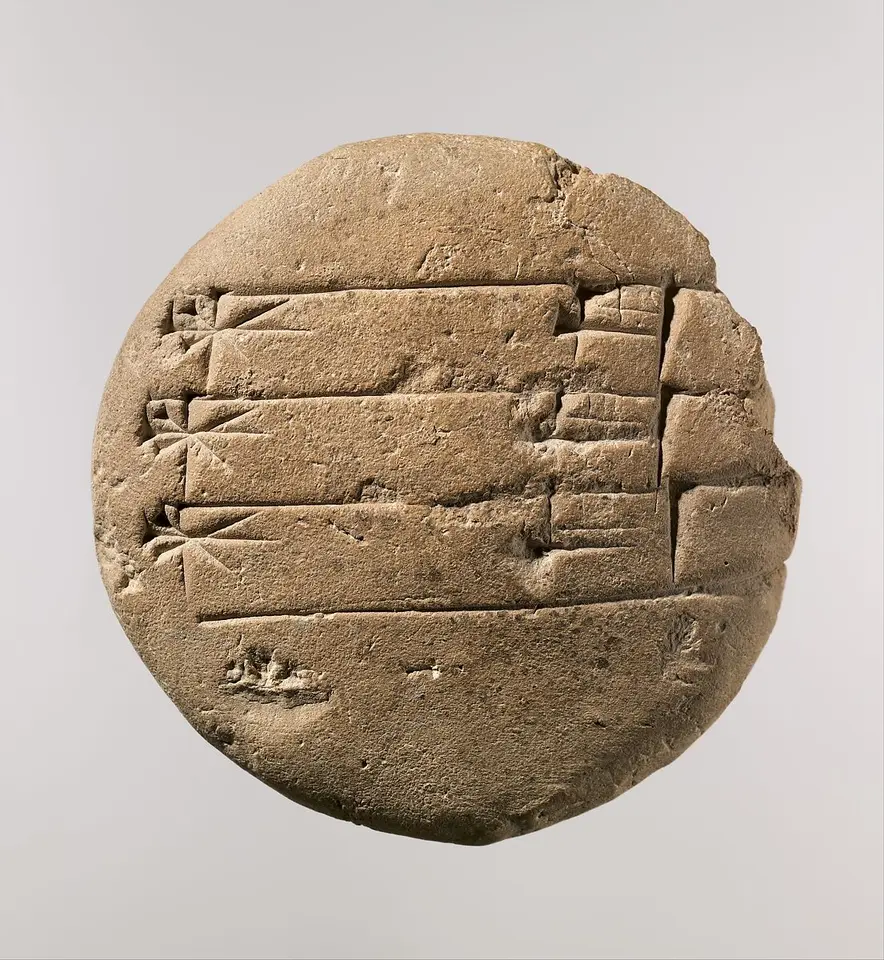
A Babylonian raincloud, a room full of apprentice scribes and an Old English book with no answer key: how riddles learned to survive.
Read article
Why the best crossword clues mislead without lying—and how definitions, wordplay and crossing letters keep the bargain fair.
Read article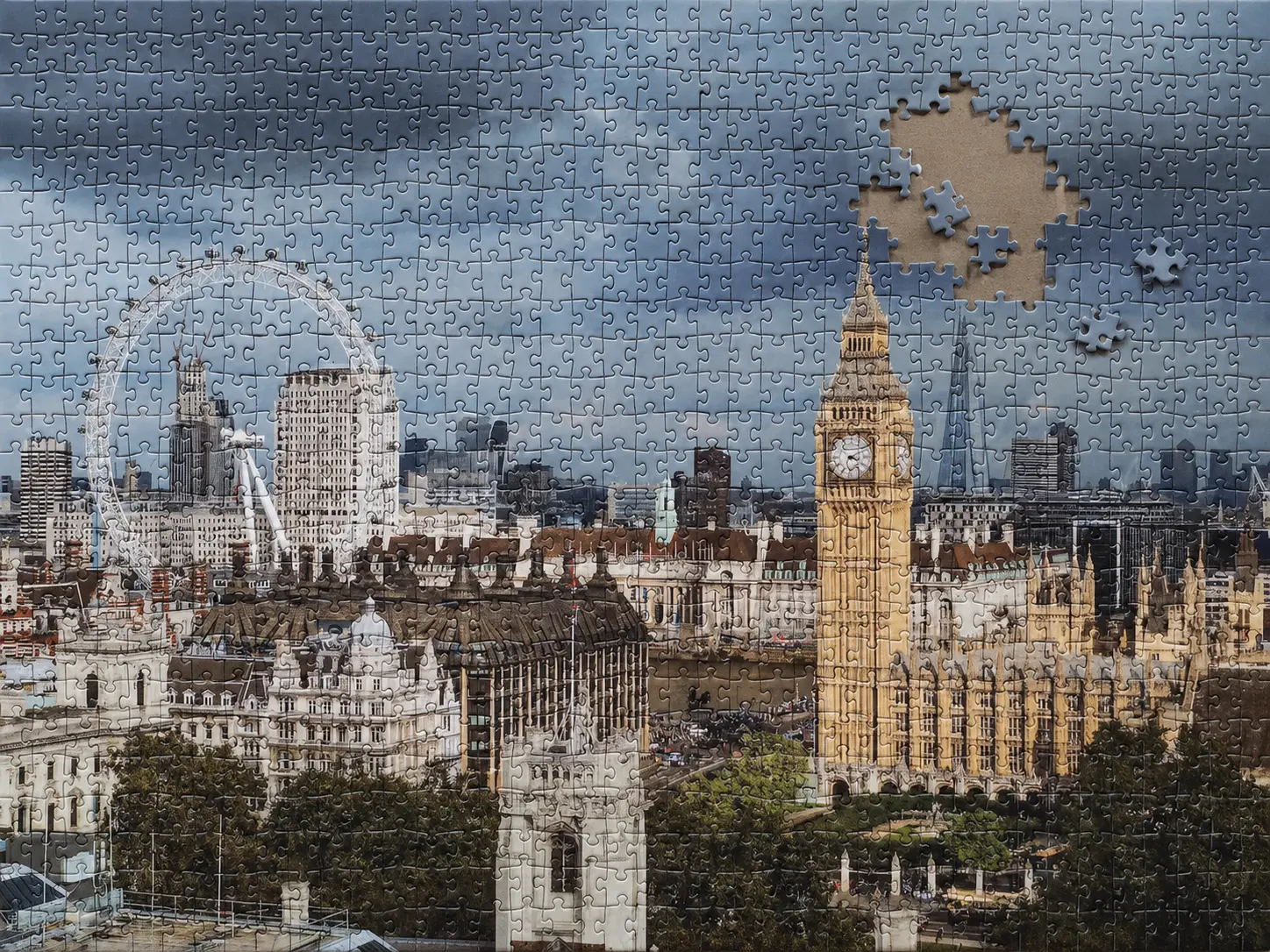
The famous Zeigarnik effect has been oversold. The stronger finding is simpler: when an interrupted task is waiting, people often choose to resume it.
Read article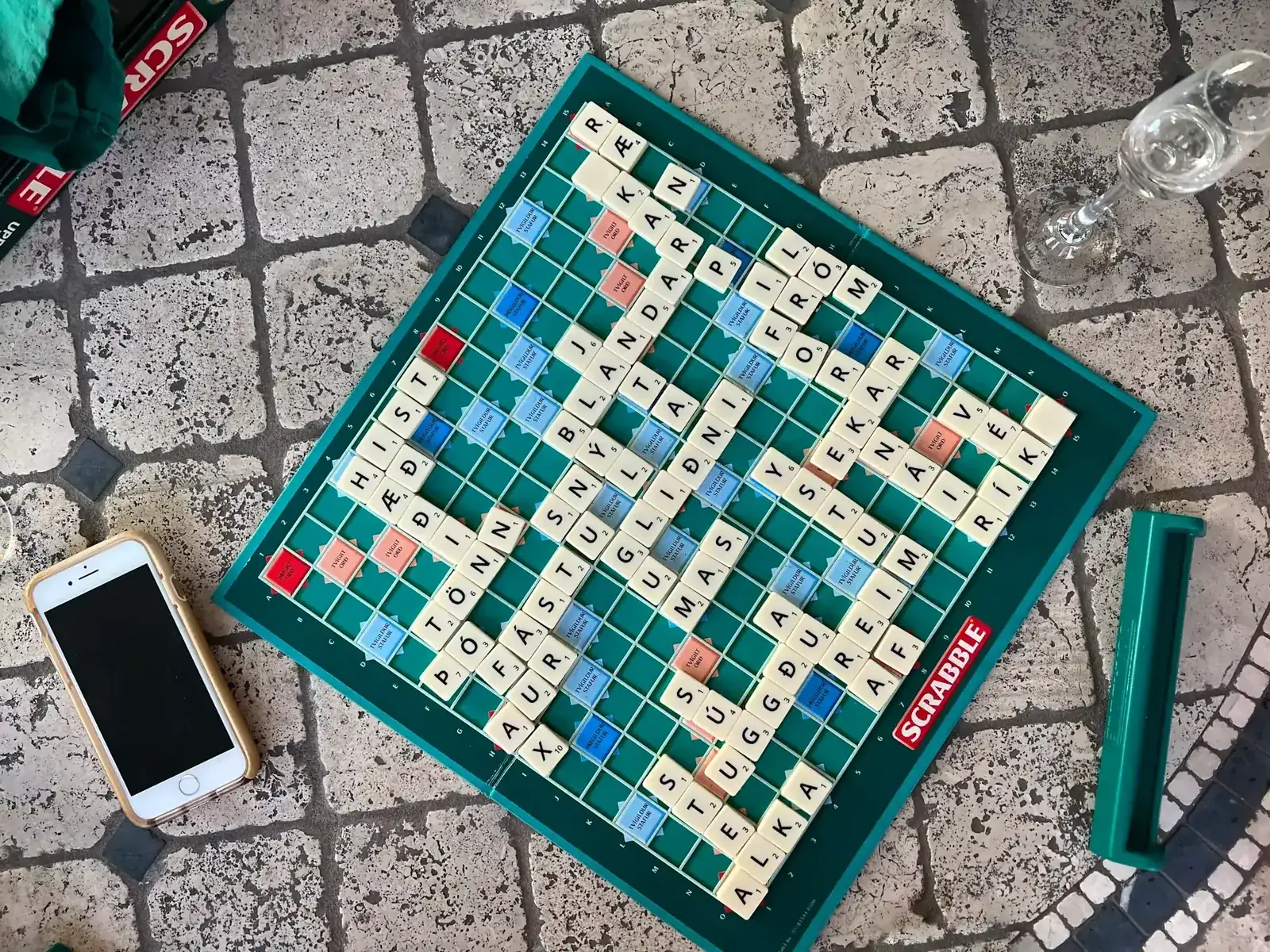
A finished puzzle should feel finished. What happens next reveals whether a game respects your time or merely wants more of it.
Read article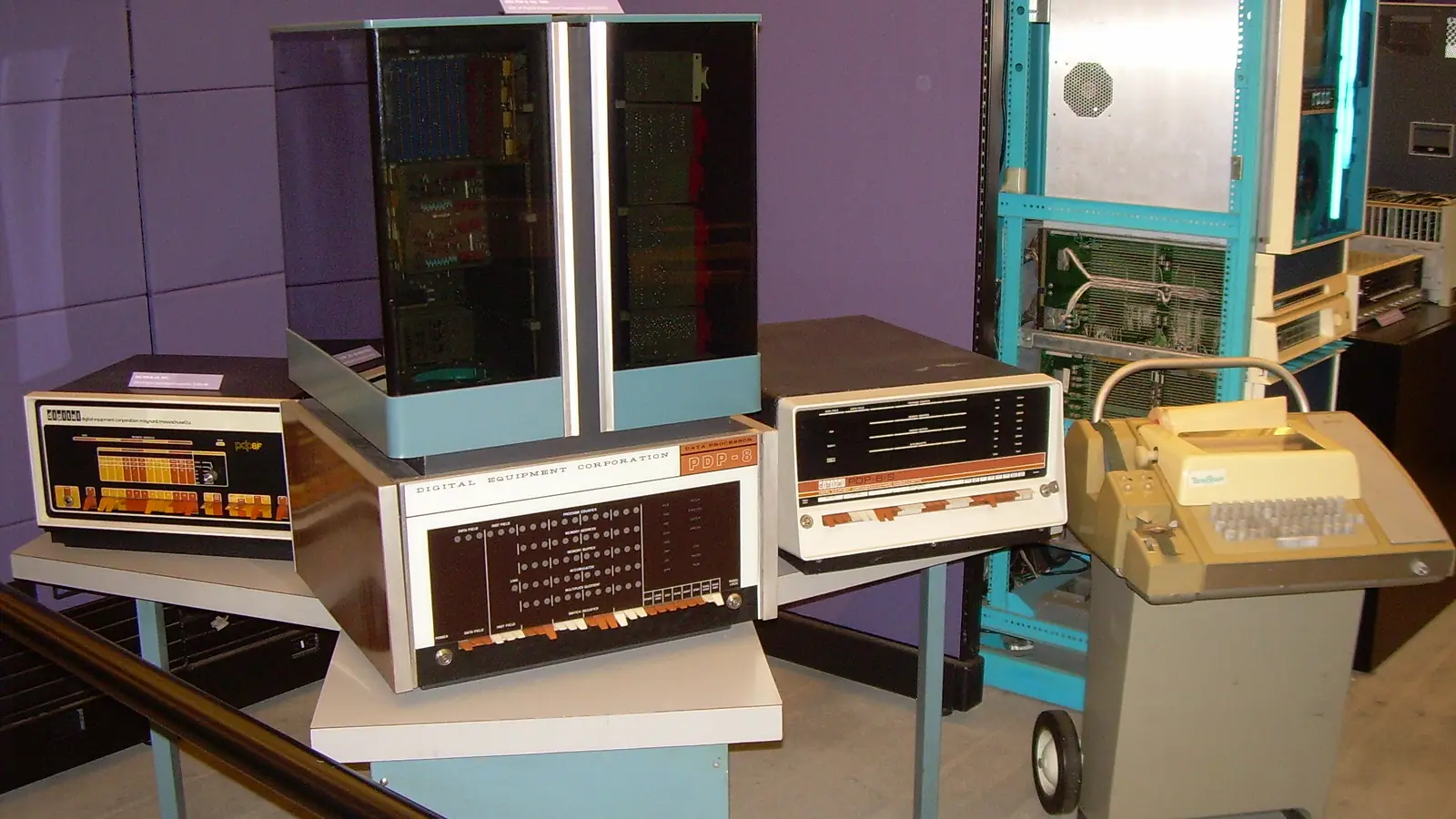
A 1969 catalogue preserves one of the earliest documented computer word games: Dan Miller’s Hangman, built for a machine with almost no room to spare.
Read article